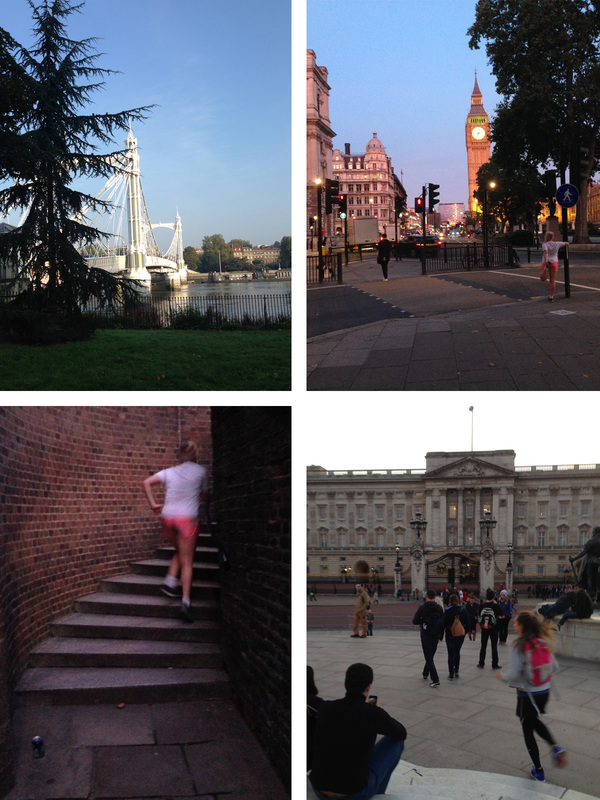
Runner's Guide to London
  • Home
  • Blog
    • London Running Blogs
  • Routes
    • The Grand Tour
    • Regents Canal
    • Monopoly Challenge
    • Dollis Valley Green Walk
    • East London Maritime
    • Tamsin Trail (Richmond Park)
    • Cray Riverway
    • Celandine Route
  • Hotspots
    • Hyde Park & Kensington Gardens
    • Greenwich Park & Blackheath
    • Victoria Park
    • Running London Bridges
    • London Park Perimeters
    • London Athletics Tracks
  • Races
    • London parkrun Reviews
    • BUPA Westminster Mile
    • City of London Mile
    • Dartford Half Marathon
    • Richmond Running Festival
    • Royal Borough of Kingston Half
  • Connect
    • Julia Bleasdale
    • Paul Sinton-Hewitt (Parkrun)
    • Scott Overall
    • Diccon Loy (Home Run)
    • London Running Clubs
  • The Book

APOLOGY FOR PRINT EDITION

5/3/2024

1 Comment

 
I have had several people contact me about a section of the London book that provides safety advice specifically for women. I really appreciate this feedback and I have made changes to future editions.
Here are the revised safety suggestions:
Further Safety Suggestions
Unfortunately it is the reality that both male and female runners can receive unwanted attention even in London. Suggestions for feeling safer include running in daylight or in well-lit areas, alternating your running routes randomly, running with company or in populated areas, letting friends or family know where you are going and when you’ll be back, using a safety app (like bSafe), and being alert to suspicious behaviour. If anyone is concerned about their safety, a course in self-defence is a great idea. 
I sincerely apologise to anyone who has taken offence to the original safety suggestion. If I could reprint all the copies of the book, I would.
In no way was my original suggestion meant to discourage women from running or to support the idea that women are somehow to blame for gratuitous attacks. Quite the opposite was my intention and I hope that those who do read the book understand that this book is meant to liberate all London runners—male and female, young and old—to enjoy their stunning city, enjoy their running and stay as safe as possible while doing so.
Since writing the book I now manage my own running coaching business, called TempoFit, which has the sole purpose of providing all runners with the tools and motivation to love their running. Encouraging others to run is one of my great passions and the reason I self-published this book.

Finally, although it doesn’t justify what was written, I would like to note that the original safety suggestion was written just weeks after someone close to me was attacked at knifepoint while running. I wrote this section in consultation with her, somewhat in the heat of the moment. No one should ever go through an horrific attack like this and I hoped this book would encourage more women to feel safe while running. As you can imagine, this incident shook me, and the victim, and has since influenced where I live and where, when and how I run. My heart breaks for anyone who has gone through anything similar.
Folks, you were born to run. Take the necessary safety precautions, but, please, keep running. Our world is starved of movement and running is the single best movement I know in order to stay healthy and explore our planet. Keep moving, keep running and let's look out for each other and together take back our streets.
By Hayden Shearman
1 Comment

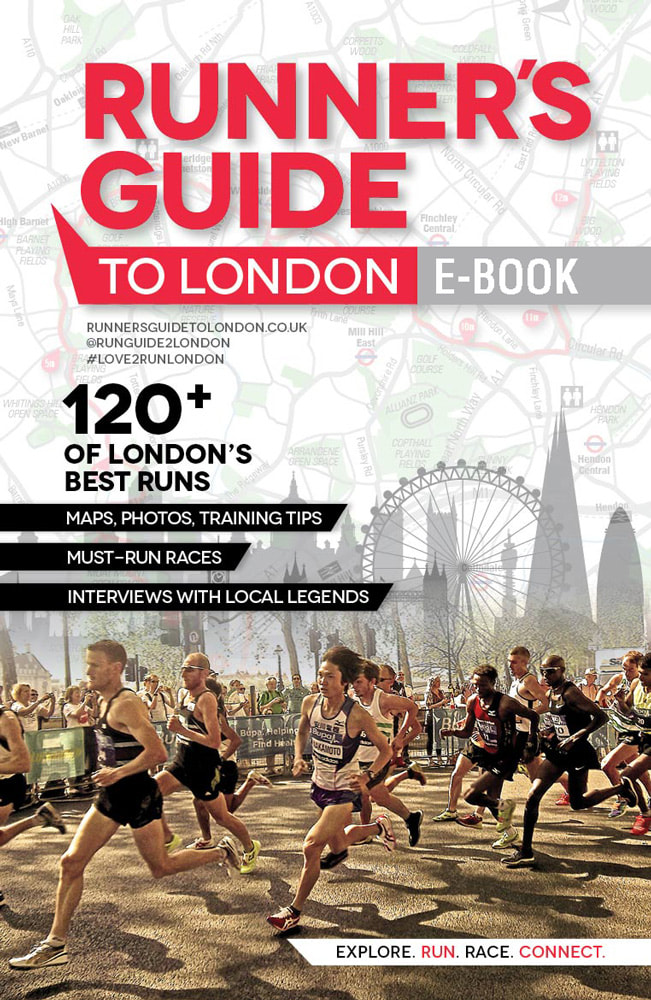
The Runner's Guide to London E-Book is here!

27/6/2020

3 Comments

 
With the print edition all sold out, we are stoked to announce that the e-book version of the Runner's Guide to London is available now. And for only £5. 

When you purchase it, it will download as a PDF meaning you can save it to your tablet or phone and have it with you wherever and whenever. 

The e-book has all the same content as the print books: maps, images, routes, training tips etc. Although we have updated a couple of little sections that were needing updating. 

The one thing to keep in mind is that some of the park opening hours and transport info (particularly buses) may be out of date for some locations. So best to do a quick Google to check beforehand. 

Grab the e-book today from runnersguide.org/london-book/ for only £5. 

Happy running. 

Hayden Shearman
Runner's Guide to London author
Picture
3 Comments

INTERVIEW WITH THE FOUNDERS OF SECRET LONDON RUNS

7/11/2015

5 Comments

 
Every runner knows that the best way to see a city is to run it. Better yet ... run that city with someone who knows the place inside and out and can point out all the little sights and historical tidbits that you'd otherwise miss. Which is why the recently launched Secret Runs London is such an exciting concept. 

Hayden Shearman caught up with cofounders Amy Coats and Vanessa Cain about how they've combined their self-confessed "running and history nerdy-ness" to form Secret Runs London.  
 
The London walking tour is something of an institution, but what sparked your interest in starting a running/jogging tour?
We love running, exploring, and telling stories. And there’s so much about iconic London that people just don’t know.
 
We’ve both travelled a lot—for work and play—and always take our running shoes. There is nothing like getting a sweat on and truly waking up before an important meeting, or working up an appetite for a local food feast. But all too often, they end up unused or pounding the hotel gym treadmill—very boring! 
 
If you don’t know much about the city, it’s hard to know where to go to make the most of your time. You could be dodging hordes of tourists or feeling unsafe in a dodgy part of town, or getting lost and ending up late for the meeting. If you’ve just got a few days to spend, and want to learn about the city you’re visiting, whilst getting in a bit of exercise, running tours are ideal.
 
So we found sight jogging—a combination of running and urban exploration—perfect! And it’s getting pretty big. Most capitals worldwide have a serious and thriving sight jogging scene. But there’s not much up and running in London. Which is strange because people in London—both visitors and dwellers—love exploring and doing fun stuff; murder mystery challenges, experiential theatre and cinema, and general pop-up fun.
 
We both studied history and philosophy at university and we love learning about the lives and tales of times gone by. So Vanessa and I decided to put our running and history nerdy-ness to good use! We show people a different side to London.
Picture
And what about the "Secret" in the title? Without giving away the punchline, what mysteries can runners expect to uncover on the tours? 
London is an amazing and iconic city. But behind every famous sight lies a dazzlingly rich history, and some incredible stories. Tales that are tucked behind walls and beneath pavements, through gateways and down stairs, under rickety cobbles and surrounded by grand facades. 
 
It’s a shame that you can be standing in a spot where some amazing tales have been lived and never know it! We know a lot about these secret sights and hidden histories, and we want to share them. 
 
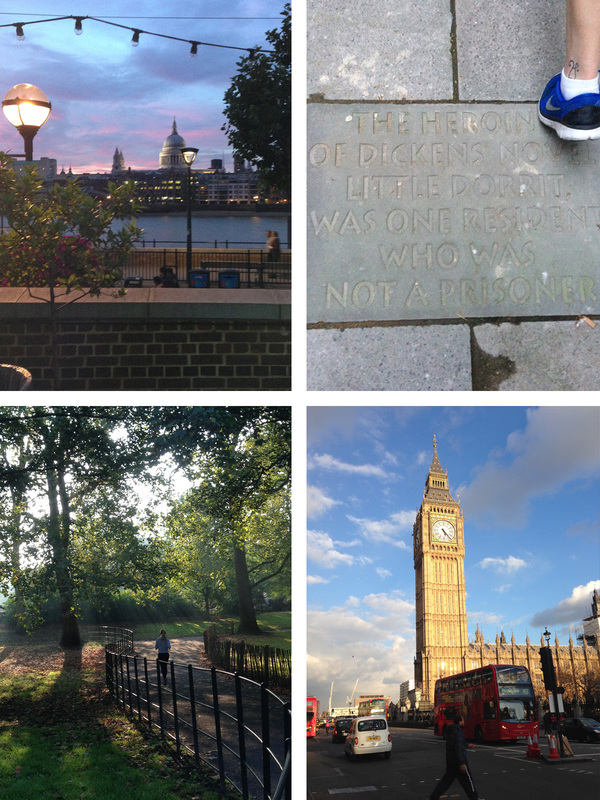
For example, one of our tours explores the area south of the City, which has historically been the preferred place for all the activities that the city didn’t want within its wealthier boundaries. For example, with the leather industry came an influx of people, poverty and unrivalled stench from the craft. We visit a number of signs to show what life was like in this era, including the remains of the Marshalsea—the debtors gaol inhabited by Charles Dickens’ family when he was 12 years old.
 
Speaking of mysteries, can you help with the mystery of why my marathon PB refuses to budge?!?
Urm… *cough * age? *cough* sorry, can’t help you there - some mysteries will never be solved!
 
Let's go back a little, what got you into running?
Both of us have very different running backgrounds! I used to hate and dread P.E. at school, especially team sports. My two buddies and I would hide in the girls' toilets to avoid it! But near the end of school, and when I got to uni, I started running to get out moving and rid of some stress between studying. I think then I realised that running is about freedom—no one’s telling you when, where and for how long. It’s pure freedom, and free endorphins, and I started to love it! 
 
Vanessa is basically the opposite, she’s been hugely into team sports since she was little, so running has always been great training for hockey, netball, basketball etc. I gawk in disbelief when she tells me stories of how their knees used to bleed with the cold at matches on winter mornings.
 
Since we met on our first day at university, Vanessa and I have done lots of running together—obstacle course race like Spartan challenge, beer belly running events, marathons, and just generally pootling round the big smoke.
 
What do you love about being a runner in London? 
London is one of the most diverse, buzzing, and cultural cities in the world. On top of that, it also ranks in the top five for greatest proportion of green public space, so as well as being an urban jungle with tons of nooks to explore, you’re never too far from a bit of grass to run on. 
 
Although running can be great for having some away from it all, it’s also nice because there are generally lots of runners about, whatever time of day.
 
Aside from one (or three) of your running tours, what is the must-run spot (a park, canal, cemetery?!) in London for visiting runners? 
I’d say Battersea Park. It’s just lovely, all year round. Beautiful old tress, fountains, lakes, tropical gardens, and lots of quiet spots to stop for a stretch, as well as water fountains and clean loos! Run the peace mile along the river and past a giant golden Buddha statue, and you can often smell incense burning. If you go near dusk, you can see the old candy yellow and baby blue Albert Bridge, stunningly lit up. [Read more on running in Battersea Park.]

Do runners need to be at a certain fitness level to enjoy the Secret London Runs? 
Nope, not at all. It’s all about exploring at your own pace and having fun. We have a quick talk at the start about the pace people prefer. The group tours generally have around 3 to 5 people, so it’s easy to adjust the pace to make sure everyone’s happy, and gets a decent run without being too breathless to enjoy the stories along the way.
 
Some people prefer to run and listen as they go but most people prefer to stop and listen to the guide, so there are plenty of breaks!
 
Is it just for visitors or can locals come along too?
Both! Sightjogging helps you make the most of your time here—whether you’re a tourist or a Londoner. We’ve been featured in TripAdvisor, Timeout, Londonist, and lots of other websites aimed at helping find out what’s on, whether they live here or are just visiting.

Secret London Runs is a company that gives guided running tours, exploring London’s secret sights and hidden history. www.secretlondonruns.com ​
Picture
5 Comments

THE BEGINNER'S GUIDE TO LOVING RUNNING

5/10/2015

0 Comments

 
Picture
By Hayden Shearman // One of running’s eternal impediments is that people just don’t like to run. Plain and simple. It's painful, it chaffs, it bounces, it sweats, it smells, it injures.

At face value running doesn't have much going for it for the beginner runner. Hence why only 5.5 per cent of Londoners run regularly. 

So if you're new to running and you've heard all these tales of blissful runner's highs and magical marathon experiences, how do you work your way through the mire to find the elusive pot of running gold at the tip of this seemingly endless rainbow of running pain?
 
As a running coach, I've guided hundreds of new runners to their goals and I'd argue that three things help people develop a lifetime love of running:
1. Running in beautiful paces
2. Running with great company
3. Running with a goal
 
Thankfully, London is a place that can easily meet all three of these goals.

Beautiful Places
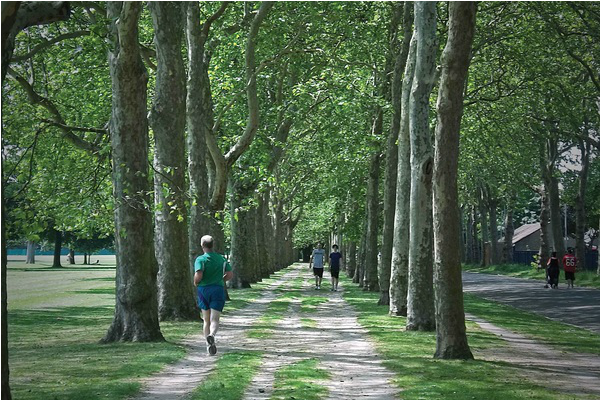
Thanks to its flat-to-rolling terrain and its abundance of great parks, it has truly world-class running routes. Bushy Park, Richmond Park, the Thames Path, the Green Chain, Hampstead Heath and I could go on—all of them are fantastic and just waiting for you and your trainers to enjoy their trails.

Great Company
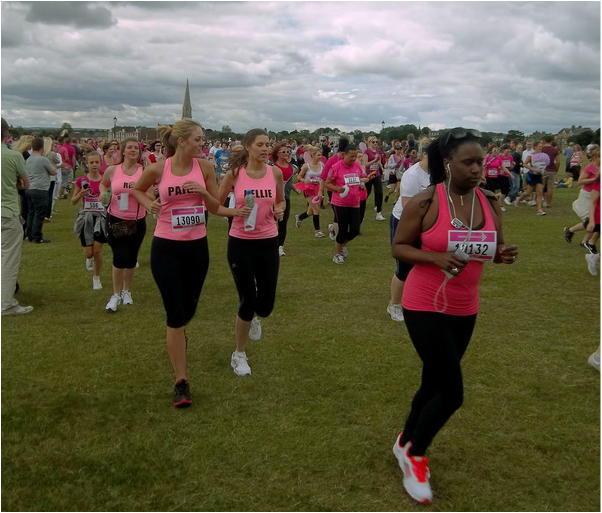
London also has a wonderful running community with over 40 parkruns, 100s of running clubs and running groups to suit all abilities and speeds, and races every other day. There are almost half a million runners in this city, so there are bound to be at least one or two runners out there who happen to share both your running speed and your unique sense of humour! 

Goals
The great thing about running is that you can track your progress very easily. Unlike looking in the mirror or weighing yourself on scales, the stop watch is a trustworthy and objective measure of your fitness. However, before you get to the stage of beating personal best times, it's a good ideas to challenge yourself to complete distances.

After a few weeks of running you might start with completing your first non-stop 5k (or 3mi). Then step up to something longer like 6mi. A great inner city route to do 6mi is to start from London Bridge and run a loop out to Westminster Bridge and back (4.4mi), then complete the figure-of-eight by running over Tower Bridge and back to London Bridge (1.6mi).

Putting Them Together
The fun really kicks in when you combine scenery, company and a distance goal. And with so many beautiful parks around London, why not set about rounding up a few friends to complete a perimeter of the park and gradually tick them off your bucket list?

Greenwich Park (2mi), Regent's Park (with Primrose Hill, 4.0mi), Hyde Park & Kensington Gardens (4.3mi), Bushy Park (6.6mi), Richmond Park (7.25mi)—plus many more (here's a list of park perimeter distances).  

Falling in Love
Now you've got these three weapons in your running arsenal (of scenery, company and goals), aim to achieve one goal on every run you do. So if you're running three times a week, the first might be a social run with a friend chatting the whole way, the next run might be a venture along a canal on a sunny morning or an autumnal explore through a nearby woodland, and the final run of the week will be a parkrun where you either go for distance (first 5k non-stop) or for time. 

Try utilising one of these tools during your three runs each week and keep it up for three weeks. After that I guarantee you'll be starting to get a wee sniff of that elusive runner's high!

Let me know how you get on!


-- Hayden Shearman
0 Comments

Where to run in london when it's hot

2/7/2015

7 Comments

 
Picture
oBy Hayden Shearman // London doesn't handle hot very well. The Tube bakes, the Thames smells, the Lidos overflow, and us runners stumble through the incredibly sparse connect-the-dots network of London's drinking fountains. 

But all is not lost … there are plenty of great places to run that escape the worst of the heat. Here are my favourites: 

Hampstead Heath
Sure there are hills that will make the heart rate crank on top of what the atmosphere is already demanding from your run, but the shade you will get from the ample supply of trees (and the pergola) definitely makes this a top running destination for a hot day. 

The added bonus of course is the cool waters of multiple bathing ponds and the Lido just near Parliament Hill Track.

Green Park & Victoria Park
The centre of London is often a few degrees warmer than the suburbs (a combo of the concrete holding the heat and being in a valley), so if you can't escape to the 'burbs, Green Park and Victoria Park are probably your best bet for hunting out the shade. 

Russia Dock Woodland
For another central city option, just south of Tower Bridge, run 1mi east (following the shade of the Bermondsey's Thames Path) through to Southwark Park and on to Greenland Dock and the shaded Russia Dock Woodland. Tip: There is a water fountain just up from the Mixed Bathing Pond on the way to the Viaduct. 

Wimbledon Common
Mid-summer is about the only time of year when Wimbledon Common's boggy trails might actually dry out! When it's hot many runners prefer Wimbledon Common over neighbouring Richmond Park. And if you feel particularly desperate, you could always cool off with a quick dip (read: mud bath) in Beverley Brook (western fence line of Wimbledon Common). (Note: I have no idea if swimming in the brook is even allowed, so better check first!) The main downer is that the only place for refreshments is at the Windmill.

Epping Forest
If you need to run long and stay under constant cover of tall, shady trees, look no further than Epping Forest. 

Pack some fluids and take the Tube up to Epping. Then run the 15mi back south to Manor Park Station. Get refreshments on the way at High Beach Visitor's Centre and Queen Elizabeth's Hunting Lodge.

Thames Path: East
Water is a great temperature regulator. So the bigger the body of water you are next to, the more temperate the weather. 

The biggest body of water in London is easily the expanse of the tidal Thames east of Greenwich. Follow the south bank of the Thames Path for 13.3mi all the way around to Erith (follow the barge symbol as opposed to the usual Thames Path acorn). Tip: this is a long run without refreshments or water fountains, so carry your own fluids.

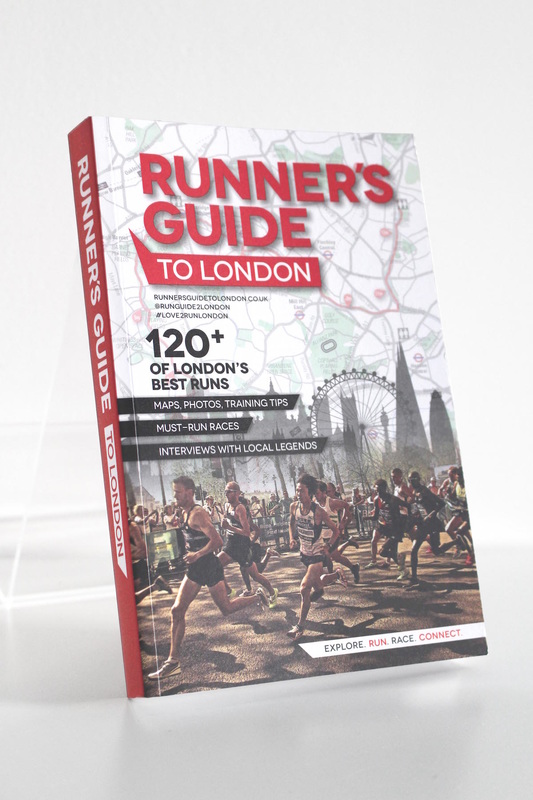
Have you got your copy of the Runner's Guide to London book? 300 pages of London's best running routes. 

Julia Bleasdale calls it "a must-have guide to help you explore London's unique running playground". 

Order it here with free delivery. 
7 Comments

HOW LONDON CHANGED THE FACE OF THE RUNNING WORLD

28/4/2015

1 Comment

 
London has been a global influencer in all sorts of facets of life, but you may be surprised how much it has affected the world of running. 

In this blog piece, Runner's Guide to London author Hayden Shearman shares some wonderful stories from London's rich running history (including how London set the official marathon distance, founded the running club and cross country running, and gave birth to the parkrun explosion).

Have a read of the blog published in the Telegraph. 
1 Comment

10 PARKS EVERY LONDONER SHOULD RUN

19/3/2015

1 Comment

 
By Hayden Shearman (This post was originally published on the Get Active London blog.)

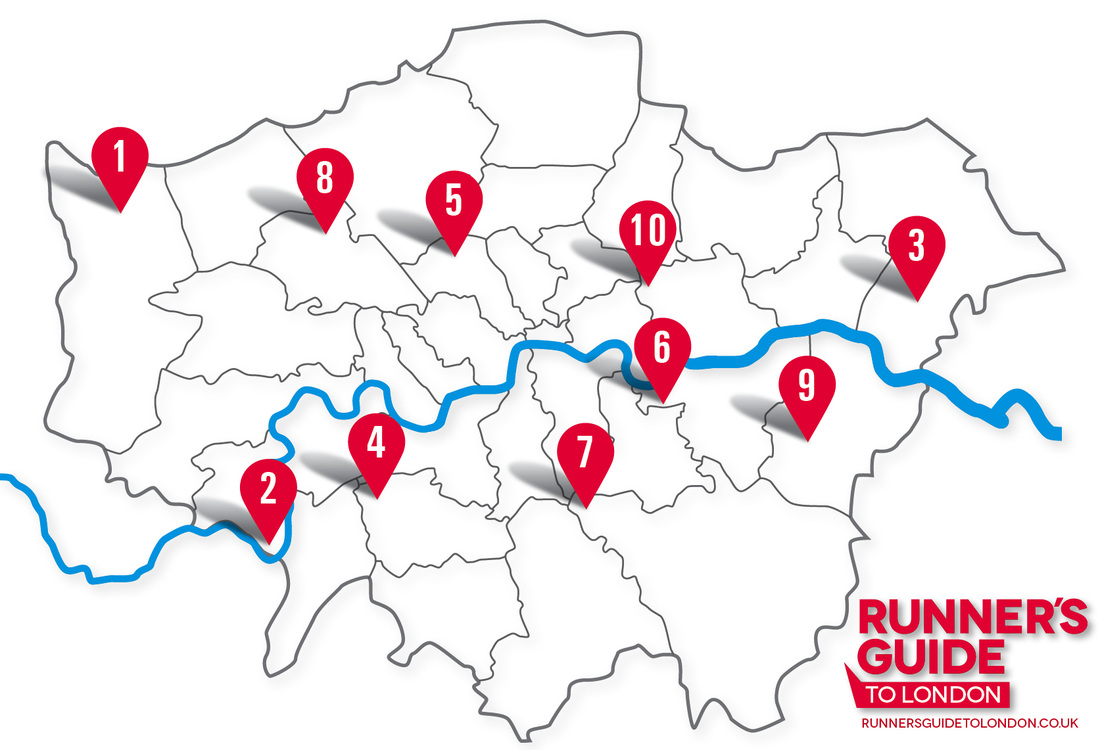
London has more green space than any other city on the planet. I learnt this the hard way when setting out to write a book about its top running spots—the book soon grew and grew because there were just so many incredible places to run. 

The following top-10 list could have included all the well-publicished central running havens (like Hyde, St James's, Regent's and Victoria Parks) and the mega parks out west (Bushy and Richmond) but chances are you already know about them and one of the things I love about running is the ability to explore new environments. So what lesser known parks should all Londoners explore?

Well, here is my top 10. I could have easily have made this list a top-40 rather than top-10, but these 10 will get you started and I'm sure make you hungry to explore more of London's hidden treasures.

Note: We've included the list below, but to read a full description of each park read the Get Active London blog. 
Picture

1. RUISLIP WOODS
Location: Ruislip (16.7mi NW of central London) 
Perimeter Distance: 9.0mi (when combined with Park, Copse, Mad Bess and Bayhurst Woods)

2. HOME PARK
Location: Kingston Upon Thames (11.8mi SW of central London)
Perimeter Distance: 5mi

3. HORNCHURCH COUNTRY PARK
Location: Hornchurch (15.8mi E of central London)
Perimeter Distance: 2.5mi

4. WIMBLEDON COMMON
Location: Wimbledon (8.1mi southwest of central London)
Perimeter Distance: 7.8mi

5. HAMPSTEAD HEATH
Location: Highgate (4.6mi N of central London)
Perimeter Distance: 8.0mi

6. GREENWICH PARK
Location: Greenwich (6.7mi SE of central London)
Perimeter Distance: 2mi (around Greenwich Park only)

7. CRYSTAL PALACE PARK
Location: Crystal Palace (7mi S of central London)
Perimeter Distance: 2.05mi

8. FRYENT COUNTRY PARK
Location: Kingsbury (9.1mi NW of central London)
Perimeter Distance: 2.3mi

9. DANSON PARK
Location: Bexleyheath (11.7mi southeast of central London)
Perimeter Distance: 2.4mi

10. QUEEN ELIZABETH OLYMPIC PARK 
Location: Stratford (5.8mi NE of central London)
Perimeter Distance: 3.6mi (following the art trail starting and finishing at Westfield) 

Hayden Shearman is the author of the new book Runner's Guide to London, which is the ultimate companion for exploring the runner's playground that is London (features over 120 London running routes and parks). www.runnersguidetolondon.co.uk
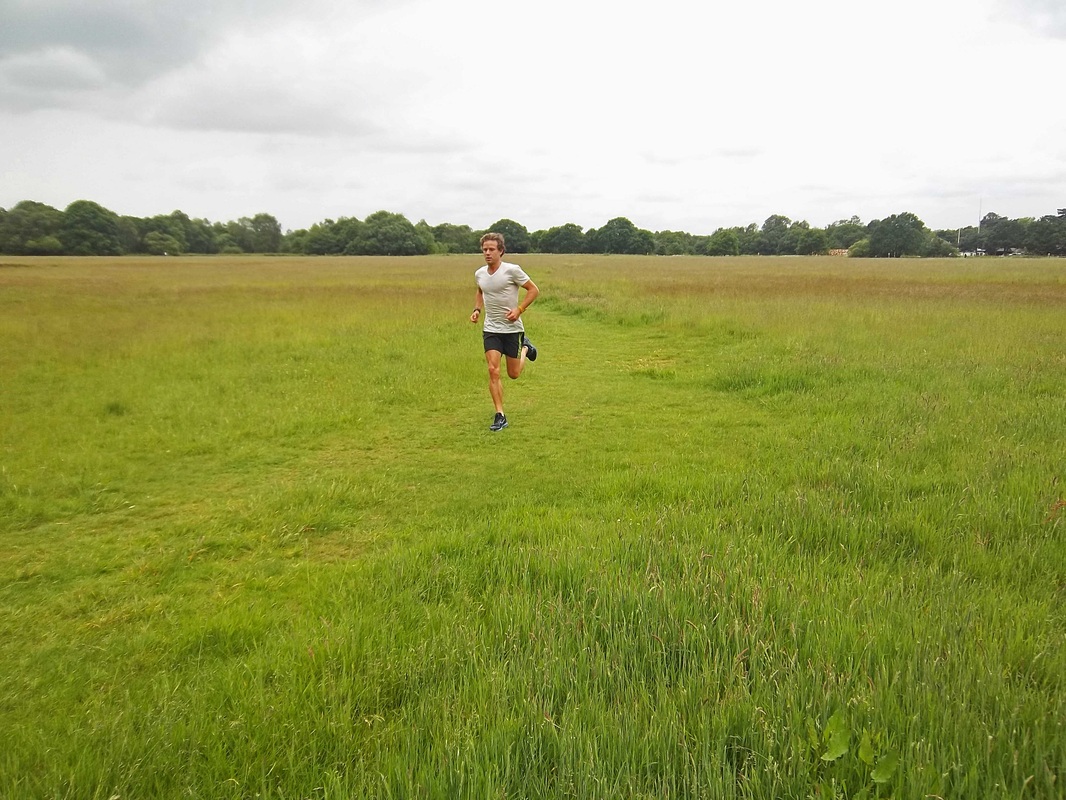
Wimbledon Common
Hayden enjoying the soft running surfaces of Wimbledon Common.
1 Comment

CEMETERY RUNNING IN LONDON

15/3/2015

5 Comments

 
By Paul Browning // Cemeteries may seem odd places to run—and the relatively bleak regimented lines of modern cemeteries are probably places to avoid—but many of London’s Victorian cemeteries make ideal locations: peaceful, off-road running, with an incredible range of flora and fauna.

Southeast London has two fantastic examples: Nunhead and Brockley & Ladywell. 

Nunhead is one of London’s Magnificent Seven, nothing to do with the classic 1960s Western with Yul Brynner and Steve McQueen, but the series of large Victorian Cemeteries created in the 1840s around the, then, periphery of London, as the city’s churchyards became full.  

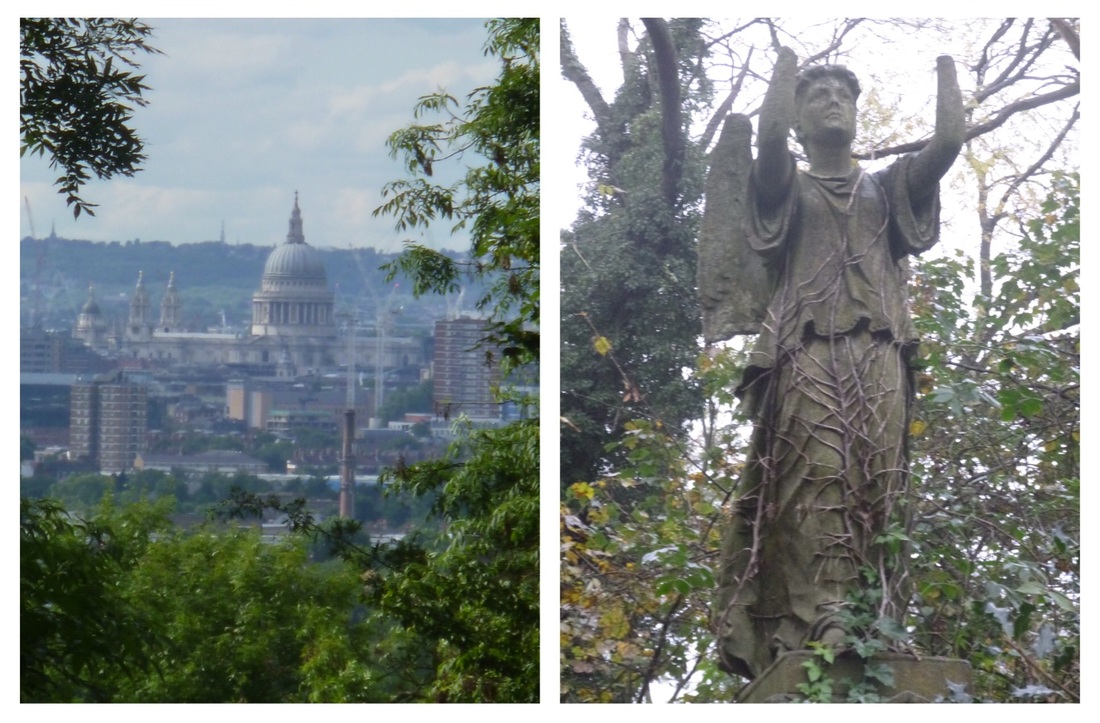
Nunhead was sadly neglected and closed for decades by its private owners before being restored by Southwark Council with Heritage Lottery funding and re-opened in 2001.  It is a lovely mixture of heavily over-grown, quite formal and some fantastic vistas, such as this one of St Paul’s Cathedral.
View from Nunhead
The view north to St Paul's Cathedral and a Nunhead Cemetery angel battling the elements to stay in one piece.
The excellent Go Feet Blog has already suggested a running route around Nunhead so I will cover its younger sibling.

Brockely and Ladywell was originally two cemeteries that opened in 1858 within a month or two of each other. Serving two neighbouring local authorities, they were originally separated by a wall and became a single unit after WWII. There are around 17,000 graves there.

When I run at Brockley and Ladywell I rarely have a route in my mind, I just ‘drift’ and see where my feet take me, pausing to either try to find a particular grave or to look at an inscription.
Create Maps or Search for a route from millions at MapMyRun
If you want a structured run around the cemetery, I would start with a 1.2 mile loop that largely follows the perimeter. There are clear paths for most of this except needing to cross a grassed area close to Ivy Road where the original boundary wall between the two cemeteries lay. Towards the end of the loop, at the top of a path coming in from your right, is the Hillier family tomb—one of those buried there was George Lacy Hillier who was for a time the fastest British amateur cyclist. 

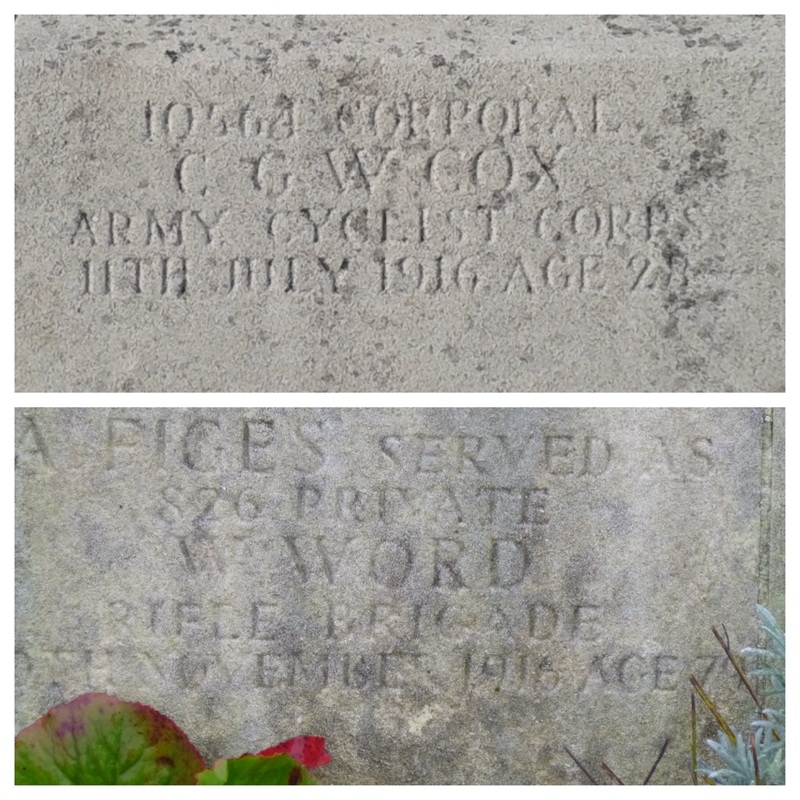
Follow the main ‘road’ back into the cemetery, keeping slightly to the right of the ‘cross of sacrifice’ WWI memorial to another low walled WWI memorial around some carefully manicured grass—somewhere I always pause.  It includes the names of Alfred Figes (who served as William Word) and may well have been the oldest WWI soldier, and Charles Cox, an Army Cyclist, whom I wrote about in Running Past.
WWI Cyclist & Figes
WWI cyclist who died in the war and then check out the age of Alfred Figes.
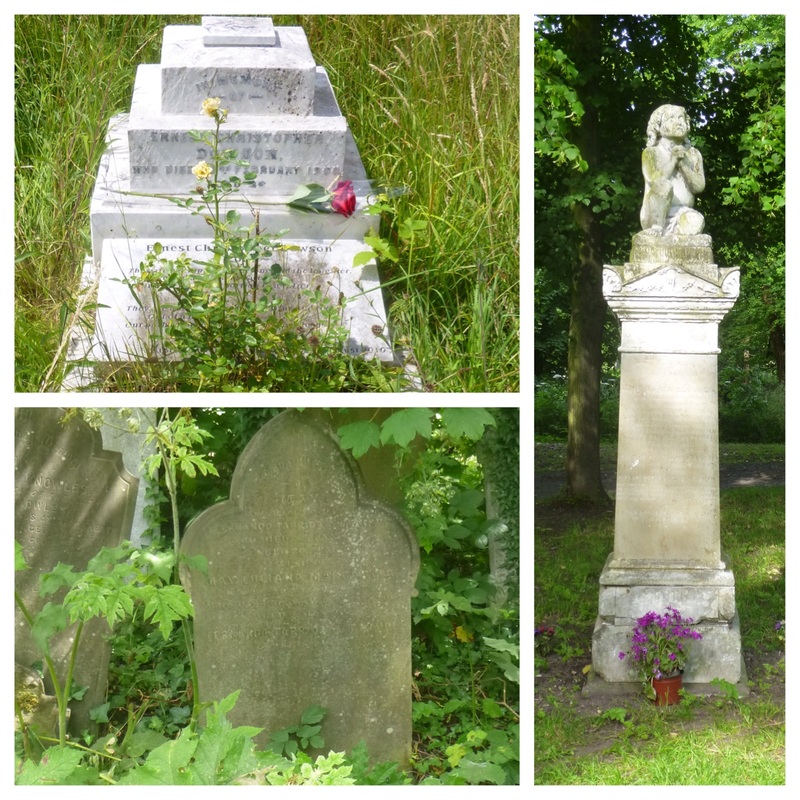
You could then pass the grave of decadent poet Ernest Dowson, who once observed that "absinthe makes the tart grow fonder." Close by, and often masked by long grass in summer is the grave of the Cuban anarchist and writer, Fernando Tarrida del Mármol.  After running through a wooded area you will see a clearing which has a tall column and an almost cherubic figure on top, you’ll need to be careful going across the graves to get there.  It is a memorial to Jane Clouson who was brutally murdered in Eltham in 1871.  It was a story I wrote about a few months ago in Running Past.
Dowson Marmol Clouson
Poet Ernest Dowson; Cuban anarchist and writer, Fernando Tarrida del Mármol; and murdered 17-year-old, Jane Clouson (right).
After a visit to the Brockely WWI memorial, which is just beyond the Clouson Memorial, slightly retrace your steps and head back towards the start.  You will have covered around a couple of miles in total. If you want to extend your run there are plenty of more paths in the cemetery or a couple of excellent local parks (Hilly Fields and Ladywell Fields).  If you want a longer run, Nunhead Cemetery is just over a mile away to the west.

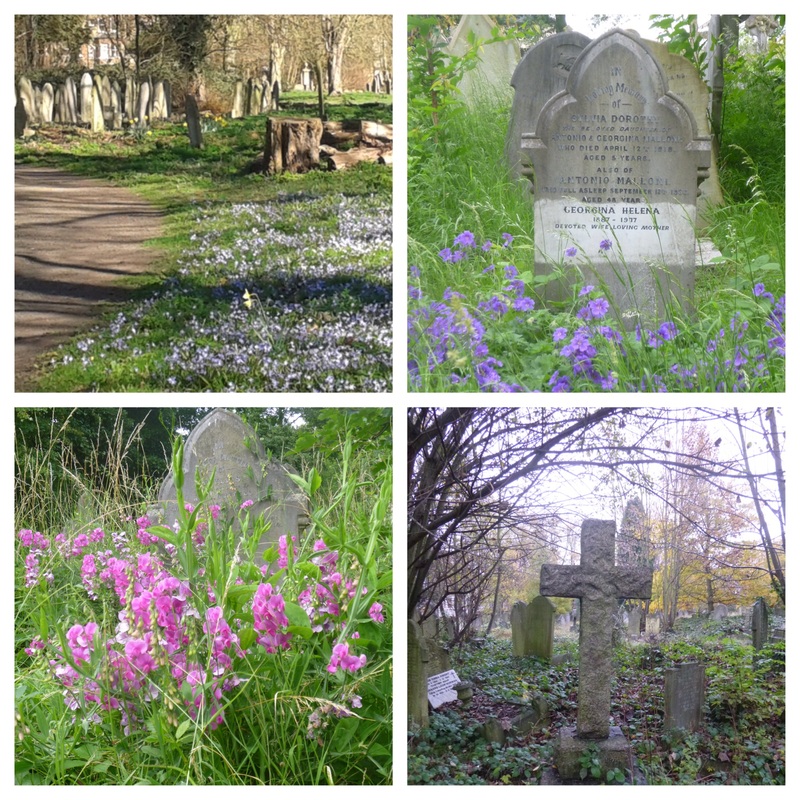
The same route is never the same run; a path that can seem bleak in the winter, may have naturalised flowers climbing and tumbling over graves in the summer, a golden carpet of fallen leaves in the autumn that requires a little more care when running or have a mass of croci in the spring. 
Brockley and Ladywell
The four seasons of Brockley and Ladywell.
A few words of warning though, don’t let your running intrude on the grief or remembrance of others, always give funerals a wide berth and try to do the same with those visiting graves of loved ones. 
Running Past blog
ABOUT ME
I’m a club runner with Beckenham RC and Veterans AC and have been running for over 20 years racing distances from 5k to marathon, but as I have got older (and slowed down) I use my longer runs to explore the history of southeast London which I blog about at Running Past.
GETTING THERE
Nearest Stations: Crofton Park about 5 minutes walk away from the Brockley Road entrance, Brockley is about 10 minutes from the same entrance, and Ladywell Stations is about 10 minutes walk from the Ladywell Road entrance. 

Buses: The buses convenient for the Brockley Road entrance are: 122, 171, 172; P4 and 122 with a short from Prendergast School down St Cyprians Passage and then left along Ivy Road) are those best for the Ladywell Road gate.
Car: There is limited parking at the Ladywell Road entrance – the postcode for satnavs is SE13 7HY.

OPENING HOURS
March to October: 10am–4.30 pm daily
November to February: 10am–3.30pm daily

FINDING OUT MORE
If you want to find out more about London cemeteries a great place to start is one of my favourite blogs, Flickering Lamps. As for Ladywell and Brockley, their ‘Friends’ have an excellent website, as do Nunhead’s Friends.
5 Comments

WHY IS LONDON TRAILBLAZING THE RUN-COMMUTE?

9/3/2015

2 Comments

 
Picture
By Simon Cook // 17:00 – Southbank. Among the tourists, street-food munchers, and leisurely strollers, I spy the first of them. They look familiar yet somehow different. More purposeful, I wonder.

This trickle soon turns to a stream with the collective mass more easily carving a route through the crowd. Growing still, now a torrent. For almost an hour the Thames Path becomes swamped by trainer-clad, backpack-laden, GPS-tracked, fluorescent, sweaty, speedy people making their way home from a day at the office. 

These people are run-commuters. 

By all accounts, run-commuting is on the up: The number of people choosing their trainers over other modes of transport is increasing, media coverage is becoming more regular; political lobbying is swelling, and run-commuters are becoming more visible on the streets of our town and cities.

London, however, seems to be the centre of it all; forging the way for the rest of the world.

I am fascinated by why this is. There are no formal policies or strategies in place to explicitly encourage people to run to/from work, yet they are out there in their droves. London is also the site of Home Run London (the world’s first cycle-escort service for run-commuters) and the base for the run2work campaign (who are supported by the London Evening Standard). In many ways, London is the global trailblazer for run-commuting.

To explain why I am so fascinated by this, perhaps a little context.

I am a geographer based at Royal Holloway, University of London, researching all manner of running geographies. Currently, I am undertaking a three-year project into run-commuting and running’s potential as a transport mode.

Place is a major concept in geography and I was first posed the question of ‘why London?’ by a journalist. Ever since, I’ve been trying to come up with a satisfactory answer. It’s obviously a slippery-coming-together of many processes and qualities, but there do seem to be things in London’s make-up that especially promote run-commuting. In particular, there are a set of personal, cultural and geographical motives that I wish to suggest are important in understanding ‘why London?’.

Firstly, personal. Individuals most often take up run-commuting as a time-saving mechanism. The amount of mileage required in many training programmes can be difficult to fit into a normal week. Equally, other factors, such as having young children, may mean completing training runs in the evening is difficult or undesirable.

Run-commuting therefore allows people to harmonise the rhythms of life, work and training by utilising moments when they must travel to fit in running at the same time. Such time-constraints are exacerbated in London, with cultures of long working hours and above-average commuting durations—making run-commuting even more appealing.

Equally, run-commuters can be encouraged to take up the practice from a dislike for other transport modes. In general, London’s transport network is head and shoulders above anything else found in the country but it is certainly not without its issues. Some people much prefer the reliability, freedom and space afforded by donning their trainers over congested and temperamental public transport.

Secondly, culture. There are some broad cultural tastes that exist in London which makes run-commuting acceptable and attractive. Most obviously, there is the strong desire for a shift away from car-based transport and for people to lead healthier lifestyles.

Active commuting achieves both these aims and has witnessed a strong growth in recent years. This is most notable in cycling commuting, but all forms of active commuting help to establish a cultural environment where run-commuting can flourish. It makes lycra and sweaty bodies acceptable in the workplace, and has also encouraged the installation of many facilities (showers, lockers etc.) in workplaces that run-commuters require and can benefit from.

Lastly, geography. Urban form has a large role to play in creating runnable cities and dense urban areas offer the most enticing spaces for run-commuting. Central London’s density means that destinations are often not too distant from one another and can be traversed by running; and the street layout can allow for many (and sometimes quicker) routes to be carved through it.

Contrastingly, regular congestion makes road-based traffic slow and tedious; and subterranean transport is often hot, hurried, and squished. Under these conditions, run-commuting can be quite appealing.

Add into the mix the transport patterns that already exist in London, and reasons why it is such a hotbed for run-commuting become apparent. Huge swathes of London’s workforce arrive at one of London’s eight mainline train stations with the need to complete the last leg of their journey. The average distance to any Zone 1 train station from these is just 2.3 miles—a very runnable distance.

So next time you spot a trainer-clad, backpack-laden, GPS-tracked, fluorescent, sweaty, speedy person making their way home from a day at the office, applaud them and the city for being at the forefront of a global movement.
Jographies
Simon is both a runner and a geographer, and can be found on Twitter at @SimonIanCook. He blogs at www.jographies.wordpress.com which shares geographical perspectives on running. He’s interested in the ‘why we run’, ‘how we run’, and ‘how we experience the world through running’ questions. 
2 Comments

LONDON IS THE CITY THAT MADE ME A RUNNER.

1/3/2015

1 Comment

 
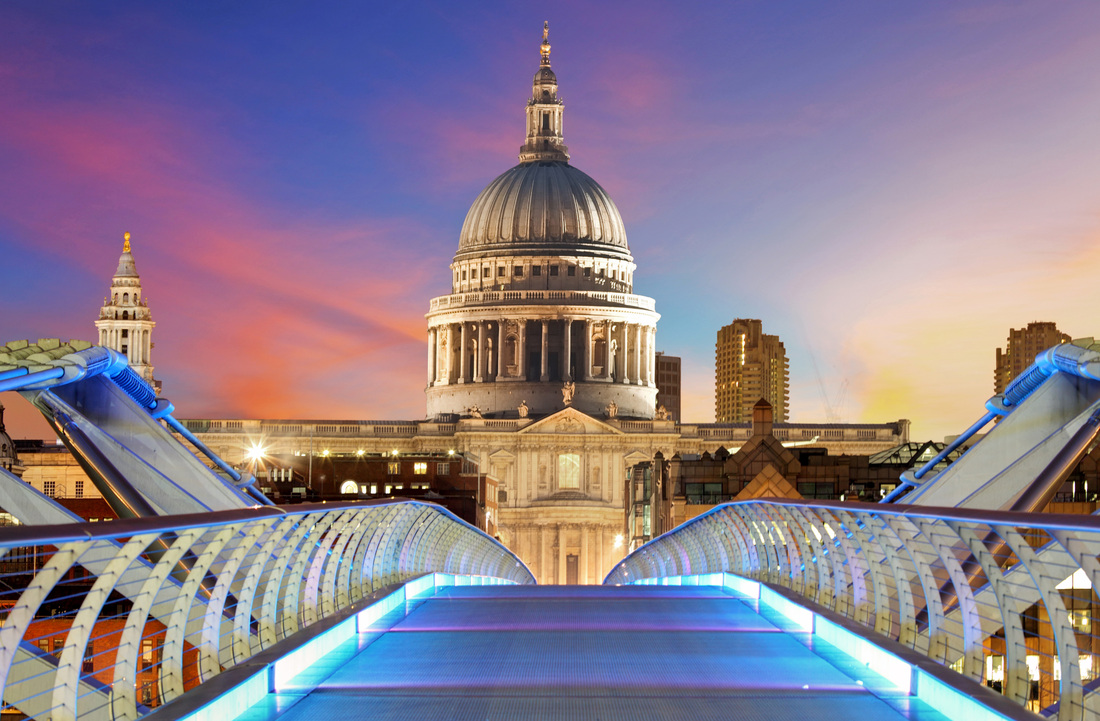
Running London - Southbank Thames St Paul's Cathedral
By Bethan Taylor // I remember the first time I ran down the Southbank. It had taken all my courage to step out of the suburbs and take to the streets with the ‘real’ runners. 

Terrified I’d be found out as a fraud, those first steps were slow and tentative. But I kept going and the city rewarded me. As my feet landed, a rush of fresh, crisp air hit my face, and a view of St Paul’s came in to sight, lit up in the night, decoupaged on the skyline in a way that makes me gasp even today. 

My bravery had been rewarded, London had scooped me up and held me close as it whispered in my ear the city is yours.

Being granted the key to the city is the most magical thing. Suddenly running becomes full of promise, expectation and anticipation. You realise you can run for miles without crossing the same street twice, neighbourhoods open up and the city simultaneously shrinks and expands before your very eyes. 

A canal can guide you from rough industrial heartland to genteel stucco, past giraffes and monkeys, hip cafes and bookshops on boats, all in a matter of miles. A river takes you on a loping tour through naval history, past soaring skyscrapers and seats of power before dipping in to muddy trails before your legs are worn. Where else can you go from dodging wildlife to running past Prada in a matter of miles. 

Whatever your mood, the city knows which run will be the perfect antidote. No landscape remains the same and no matter how often you run the same route there’s always a moment to take and savour. It warms me to the core.

There have been so many occasions when London has been unbelievably kind to me, picking me up when I’ve fallen, holding my hand as I wobbled towards bigger and scarier challenges. The city has led me to new friends and rejuvenated connections that were nearly lost. When my breath has caught in my chest it’s given me a moment to recover, and when I’ve been too tired and stiff to run it’s carried me. It’s both my bodyguard and number one fan as I run, persuading me I can take on anything and supporting me on my journey. Without that generosity, that openness and love I wouldn’t be the runner I am today. 

Thank you London.
Picture
Where else can you go from dodging wildlife to running past Prada in a matter of miles.
Picture
Check out Bethan's blog which is all about living with a positive outlook, running your socks off and getting everything you can out of life!
1 Comment
<<Previous

    WANT MORE BLOGS?
    VISIT
    OUR
    LONDON
    RUNNING
    BLOG
    DIRECTORY

    Picture
    GRAB YOUR COPY

    Archives

    March 2024
    June 2020
    November 2015
    October 2015
    July 2015
    April 2015
    March 2015
    February 2015
    November 2014
    August 2014
    July 2014

    Categories

    All
    2012 Olympics
    20p To Pee
    BBC
    Beginner Running
    Bushy Park
    Cemetery Running
    Chiswick Park
    Cross Country
    Crystal Palace Park
    Danson Park
    Epping Forest
    Fryent Country Park
    Green Park
    Greenwich Park
    Hampstead Heath
    High Elms Country Park
    Home Park
    Hornchurch Country Park
    Hyde Park
    London
    London 2012
    London Heatwave
    London History
    London Marathon
    London Olympics 1908
    London Olympics 2012
    London Running
    London Running Routes
    London Transport
    Marathon
    Mental Toughness
    Mud
    Olympics
    Parkrun
    Parliament Hill
    Public Toilets
    Queen Elizabeth Olympic Park
    Richmond Park
    Royal Parks
    Rudisha
    Ruislip Woods
    Run Commute
    Run-commute
    Runner's Problems
    Russia Dock Woodland
    Secret Runs London
    Sightjogging
    Southbank
    Sports Psychology
    St Paul's Cathedral
    Thames Path
    Transport
    Valentines Park
    Victoria Park
    Wimbledon Common

    RSS Feed

RUNNER'S GUIDE TO LONDON
2024 © TempoFit Ltd
PURCHASE BOOK
Special thanks to:
Picture
Picture
Picture